


The Current Reality
Let’s start with the uncomfortable truth: you cannot make a living from Chase Tag® prize money.
But before we dig into the economics, let’s acknowledge something remarkable about where WCT actually is.
What Money Can’t Buy

Here’s a perspective shift: teams with zero competitive experience twelve months ago can compete at the World Championship.
Read that again. Six months from first Chase-Off™ to Worlds.
In what other sport is this possible? In football, basketball, tennis, athletics the path from beginner to elite takes a decade or more. You start as a child. You train through adolescence. You sacrifice your teenage years. You compete through university. And after all that, the overwhelming majority never reach professional level.
In Chase Tag®, someone who discovered the sport in early 2025 could be competing on the world stage in June 2026. That’s not a flaw. It’s a feature of how young and accessible the sport remains.
Consider what WCT athletes get to experience:
- Competing in front of thousands of spectators – WCT7 expects 8,000+ in-venue fans
- Broadcasting to 250M+ households across 35+ countries
- Television coverage on ESPN, CBS, BBC, L’Équipe, and major networks worldwide
- 200M+ organic social media views per event
- The emotional high of representing your country, your team, your community on an international stage
These are experiences that money literally cannot buy. Athletes who trained at elite level since childhood in other sports (gymnasts, swimmers, track athletes) may train their entire lives and never compete in front of crowds this size, never appear on international television, never experience the intensity of a World Championship atmosphere.
A recreational practitioner who found Chase Tag® two years ago might have already experienced more of what makes professional sports magical than a Division I college athlete who’s been training since age 8.
The sport is young. The pathway is short. The barrier to elite competition is lower than almost any other athletic discipline on earth. That’s genuinely special and it won’t last forever. As the talent pool deepens and the competitive standard rises, that window of accessibility will narrow.
Right now, Chase Tag® offers something extraordinary: the experience of professional-level competition without requiring professional-level investment of time and sacrifice. The economics don’t support full-time athletes yet, but the experiences are already world-class.
That context matters as we discuss the financial realities.
The Prize Money Math
Most events don’t offer cash prizes at all. National Championships, Chase-Offs, qualifiers. These are competitions you pay to attend, not competitions that pay you. The reward is ranking points, qualification spots, and the experience itself.
Even at the World Championship, the pinnacle of the sport, the economics are sobering. A World Champion team might walk away with roughly $1,000 per athlete.
Now consider what it costs to get there:
- Flights: International travel for a team of six can easily run $3,000-$6,000+ depending on origin
- Accommodation: A week in a hotel for six people
- Food and transport: Five days of meals and local travel
- Time off work: Lost income for athletes with day jobs
- Training costs: Gym memberships, facility time, coaching (if any)
- Equipment: Shoes wear out fast when you’re training at elite levels
A conservative estimate puts the all-in cost for a team attending Worlds at $5,000-$15,000. The prize for winning might cover 10-20% of that. For teams that don’t make the podium? They’re paying for the privilege of competing.
This isn’t a criticism of WCT. The organisation is building a sport from scratch with limited resources. Prize pools will grow as the commercial model matures. But for athletes making decisions today about how much to invest in their Chase Tag careers, the math is clear: this is currently a passion project, not a profession.
You’re Not Alone: The Reality Across Sports
Here’s the thing: Chase Tag’s economics aren’t unusual. They’re actually the norm across most competitive sports.
Olympic Athletes
The vast majority of Olympic athletes have day jobs. Outside of a handful of high-profile sports and a handful of high-profile athletes within those sports, competing at the Olympic level doesn’t pay the bills.
According to a 2024 Congressional Commission report, 54% of US high-performance athletes earn less than $50,000 annually, and more than a quarter earn less than $15,000. Nearly half receive no net compensation at all, meaning, as the Commission put it, « many of America’s most talented athletes must pay for the privilege of competing under our flag. » Many work part-time jobs, rely on family support, or live with roommates well into their 30s. They train 30+ hours per week while juggling employment, often in fields with flexible schedules specifically so they can accommodate training.
Gymnasts, wrestlers, fencers, archers, weightlifters, kayakers. These are athletes who reach the absolute pinnacle of human performance in their disciplines. Most of them are not financially comfortable because of their sport. They’re financially stressed despite being world-class.
Sources:
- Houston Chronicle: « Olympic Athletes Get Paid Less Than You Think »
- Slate: « Being an Olympian Doesn’t Always Pay the Bills »
- Women’s Health: « Why Do Olympic Athletes Need Side Hustles? »
Combat Sports
Even in combat sports where the UFC has built a billion-dollar empire the economics for most fighters are grim.
Entry-level UFC fighters earn $10,000-$30,000 per fight, with a chance to double that if they win. The median annual salary sits around $51,000, and 43% of fighters made less than $45,000 in 2024. After paying coaches, managers, gym fees, taxes, and covering training camps, many barely break even. Only about 18.6% of UFC revenue goes to fighters compared to 50% in the NBA, NFL, MLB, and NHL.
Regional MMA? Amateur boxing? The pay is functionally zero. Athletes fight for experience, exposure, and the dream of eventually reaching a level where the sport can support them.
Professional Leagues Outside the Top Tier
Even in sports with established professional leagues, the economics get brutal quickly as you move down from the top tier.
Minor league baseball players now earn $19,800-$35,800 annually depending on level, a dramatic improvement from the $4,800-$17,500 they earned before 2024, but still far below a living wage. Triple-A players, one step from the majors, make less than many entry-level office jobs. Lower-division football players in Europe often earn less than tradespeople. Professional cyclists outside the WorldTour level frequently earn €20,000-€40,000 annually while racing 80+ days per year and training constantly.
Sources:
- CBS News: « Minor League Players Reach Labor Deal with MLB »
- The Sports Economist: « Breaking Down Minor League Baseball Salary Trends »
The Pattern
The pattern is consistent: in almost every sport, a tiny percentage of athletes earn substantial income. The rest either:
- Have day jobs that subsidise their athletic careers
- Rely on family wealth or support
- Live frugally and accept financial sacrifice as the cost of competing
- Eventually quit when the economics become unsustainable
Chase Tag® is earlier in its development curve than these sports, but the fundamental dynamic is the same. Elite athletic performance, on its own, rarely pays.
How Professional Sports Actually Work
There’s a fundamental misunderstanding among many Chase Tag® athletes about how professional sports economics function.
The assumption seems to be: the league makes money, the league pays the athletes. WCT should be finding sponsors, building the audience, creating content, organising events, and then distributing the proceeds to athletes who show up to compete.
That’s not how it works. In almost any professional sport, the league doesn’t pay the athletes. The teams do.
The Real Model
In professional football, basketball, hockey, rugby, and most other team sports:
- Teams pay entry fees to participate in the league
- Teams build their own revenue streams – merchandise, local sponsors, ticket sales, hospitality
- Teams pay their athletes from that revenue
- Teams become brands with their own identity, fanbase, and commercial relationships
The league’s job is to create the competition structure, secure broadcast deals, maintain standards, and grow the overall pie. The league is not responsible for making individual teams financially sustainable. That’s the team’s job.
Manchester United doesn’t wait for the Premier League to find their sponsors. The Dallas Cowboys don’t expect the NFL to sell their merchandise. Barcelona doesn’t ask La Liga to build their global brand.
These teams invested in becoming institutions. They have commercial departments. They have marketing teams. They have sponsor relationships independent of the league. They sell millions in merchandise. They have fans who follow the team specifically, not just the sport.
The league benefits from having strong teams. But the teams built that strength themselves, supported by the league being more professional and developed.
The Personality Problem
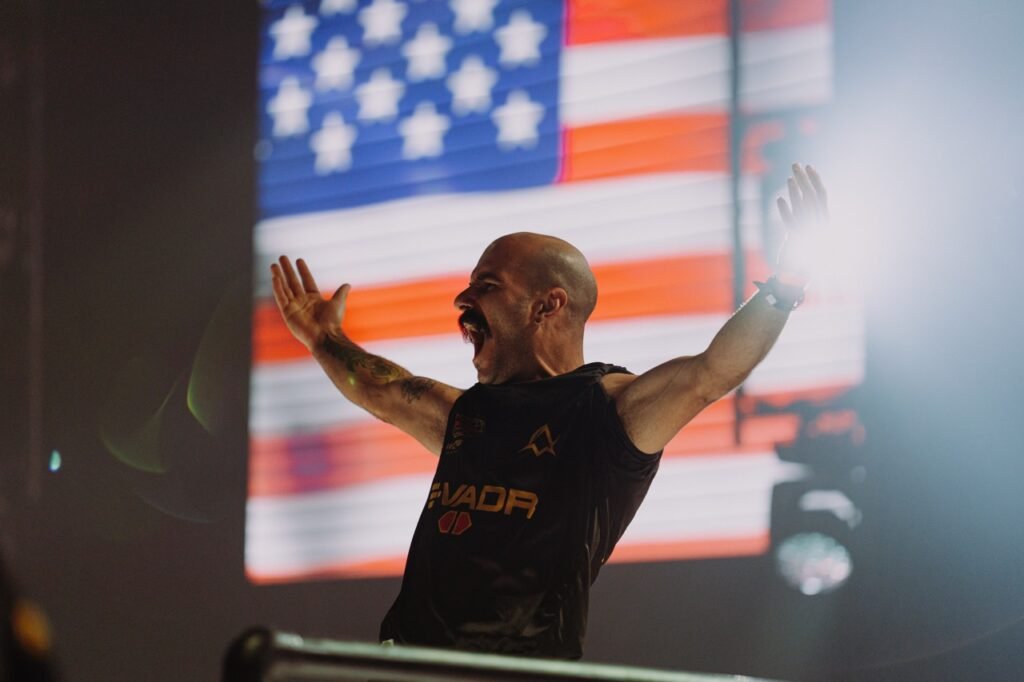
Here’s another uncomfortable truth: being a great athlete isn’t enough.
At the highest level of any sport, everyone is a great athlete. What separates the marketable from the forgettable for the sport, for sponsors, for media, for fans is everything around the athletics. The story. The drama. The personality.
Chase Tag® has a personality deficit.
Most athletes are reluctant to step into public-facing roles. They shy away from conflict. They don’t want to tell their stories. They’re extremely cautious with any public speaking. They avoid having opinions. They don’t engage in rivalries. They don’t create narratives.
This is understandable on a personal level. Most people don’t want to be public figures. Most people find self-promotion uncomfortable. Most people prefer to avoid conflict and controversy.
But it’s devastating for the sport’s growth.
When Personality Breaks Through

The moments that do show genuine emotion are memorable precisely because they’re rare.
At WCT4 Worlds, when Blacklist got eliminated, Augustin Ciavaldini left the venue in tears. He refused to shake hands with his opponents. He disappeared from the stream entirely.
That moment was uncomfortable. It broke the polite norms of sportsmanship. And it was exactly what the sport needs more of.
Not the poor sportsmanship specifically but the visible demonstration that this matters. That these athletes care deeply. That the stakes are real and personal. That losing hurts and winning means something.
Augustin’s reaction showed more personality, more investment, more genuine human drama in 30 seconds than most athletes show across entire tournaments. It gave fans something to feel. It created a storyline. It made people remember Blacklist specifically, not just « one of the teams that competed. »
The sport needs more of that raw authenticity. The willingness to be seen caring, to show emotion, to let the stakes be visible. Not manufactured drama, but genuine investment that audiences can connect with.
What Drives Value

Think about what makes other sports compelling beyond the athletics:
- Rivalries: Not just competitive matchups, but genuine personal tension. Athletes who clearly want to beat specific opponents. History between competitors.
- Storylines: Redemption arcs, underdog journeys, defending champions, rising challengers. Narratives that give context to competition.
- Characters: Athletes with distinctive personalities. The confident one. The quiet assassin. The trash-talker. The emotional competitor. The ice-cold closer.
- Drama: Conflict, tension, stakes that feel personal. Not just « may the best team win » but genuine investment in outcomes.
- Opinions: Athletes who say what they think. Who make predictions. Who call out opponents. Who aren’t afraid to be wrong publicly.
Chase Tag® athletes largely avoid all of this. Interviews are generic. Social media is sparse. Rivalries are unstated. Drama is actively suppressed rather than amplified.
The result: sponsors have nothing to attach to. Media has nothing to write about. Fans have no one to root for or against specifically. The competition becomes interchangeable. Any team winning feels roughly the same as any other team winning.
The Contrast
Look at sports that have grown rapidly:
UFC built stars through personality as much as fighting ability. Conor McGregor wasn’t just talented, he was a character. He talked. He predicted. He created drama. Fans bought tickets to see him win or lose, specifically.
F1 exploded after Drive to Survive gave viewers access to the personalities behind the helmets. The racing was always good. But the stories, the rivalries, the team dynamics, the personal stakes, made people care.
Professional wrestling (yes, it’s different) understands this completely. The athletic performance matters. But the story is what sells tickets.
Chase Tag® athletes don’t need to become WWE characters. But they do need to give fans, sponsors, and media something to latch onto beyond « they’re good at evading. »
Who has beef with whom? Who’s the confident one making predictions? Who has a compelling backstory? Who’s willing to say their team is the best and back it up? Who’s going to call out the defending champions?
If you can’t answer these questions, that’s the problem.
The Chase Tag® Gap
Here’s where Chase Tag® has a specific problem beyond the general economics of emerging sports:
Almost no one is doing the work to capture the value that does exist.
Sponsorships are available. Content monetisation is possible. Merchandise can be sold. Audiences can be built. But these things don’t happen automatically. They require intentional effort outside of training and competing.
Look at the current landscape:
- How many Chase Tag® teams have professional sponsor decks ready to send to potential partners?
- How many teams have reached out proactively to brands that align with their image?
- How many have created structured organisations beyond « a group of friends who train together »?
- How many sell merchandise that fans could actually buy?
- How many have built audiences on social media through consistent content creation?
- How many have someone, anyone, whose job is to handle the business side?
The honest answer: very few. Maybe none at a truly professional level.
To be clear: it’s completely fine for teams not to do any of this. Chase Tag® can absolutely be a passion project, a competitive hobby, a way to challenge yourself athletically without building a business around it. Not everyone wants to be an entrepreneur. Not everyone should be.
But here’s what’s odd: teams who haven’t taken any of these steps being the first to complain about not making money from the sport.
You can’t simultaneously refuse to build an audience, refuse to approach sponsors, refuse to sell merchandise, refuse to create content, refuse to develop any commercial infrastructure and then express frustration that the sport doesn’t pay. The opportunity exists. The tools are available. The work just isn’t being done.
If you’re competing purely for the love of it and the experience, that’s legitimate. But then the economics aren’t really your concern. You’ve chosen passion over profession, and that’s a valid choice.
If you want the economics to change, though, the path runs through the work that almost no one is doing.
Part of why Quadside exists is to help bring this side of the sport forward. Critical and opinionated pieces that people may disagree with (please do). Deep analysis. Reporting on the drama and storylines that only people deep in the community would otherwise hear about. The sport needs more voices willing to have takes, create conversation, and treat Chase Tag® like it matters enough to argue about.
This creates a strange situation. WCT7 will arguably be the highest-level competition in the sport’s history. The athleticism has never been better. The competition has never been deeper. But from a business perspective, the teams competing are largely interchangeable.
No team moves the needle on ticket sales. No team drives significant merchandise revenue. No team brings sponsors to the table. No team generates meaningful media interest beyond the sport’s existing channels. No team has fans who follow them specifically rather than just following Chase Tag™ generally.
The Missing Teams Problem
Consider this: some of the most important teams in Chase Tag® history won’t be at WCT7.
APEX Moon — Three-time US Champions. WCT5 World Champions. One of the most dominant teams the sport has ever seen.
GNF — WCT4 finalists. Second US team to join World Chase Tag® after The Boys.
KIMEO — WCT6 World Championship finalists. Vice-World Champions just one cycle ago.
Blacklist — Consistently competitive French team with one of the best identity the sport has seen.
Nano — WCT6 Women’s World Champions won’t be coming back for WCT7.
These are teams that helped shaping the sport. Teams with history, storylines, rivalries. Teams that fans, at least dedicated fans, remember and care about.
And their absence from WCT7 is… barely a blip on anyone’s radar.
The other competing teams haven’t noticed or commented. The fanbase hasn’t erupted with disappointment. There’s no media narrative about « the missing champions » (except for our article regarding Nano) or « the changing of the guard. » No sponsor is pulling out because their team isn’t competing.
This tells you something important: no team has built enough independent value that their absence creates a measurable impact.
Compare this to other sports. When a star player misses a tournament, it’s news. Ticket sales are affected. Broadcast ratings shift. Sponsors notice. The absence matters because the presence had value.
In Chase Tag®, teams appear and disappear from major events, and the sport continues largely unchanged. That’s a sign of how early we are in building the athlete-as-brand model that sustains professional sports.
What Would It Take?
So what would it actually take to make a living from Chase Tag®?
The uncomfortable answer: athletes need to build businesses, not just athletic careers.
The sport isn’t yet at the scale where it can pay salaries. That may come eventually as broadcast deals grow, as sponsorship revenue increases, as the audience expands. But waiting for that to happen isn’t a strategy.
Athletes who want to capture value from Chase Tag® today need to create that value themselves.
Build an Audience

Social media following is currency. It’s the leverage that makes sponsorships possible, content monetisation viable, and merchandise sellable.
This means:
- Consistent posting (not just during competition weeks)
- Content that works for non-fans (accessible, entertaining, shareable)
- Personality and story, not just clips of chases
- Engagement with followers (building community, not just broadcasting)
Roland Hannigan and Redouan Yagoub have proven this works. Phone footage and basic editing can generate millions of views. The tools are available. The audience is receptive. The question is whether athletes will do the work.
Create a Sponsor Deck
You can’t get sponsorships if you don’t ask for them. And you can’t ask effectively without materials that explain what you offer.
A sponsor deck should include:
- Who you are (team composition, competitive history, story)
- Your audience (social media stats, demographics, engagement rates)
- What you offer (logo placement, content creation, event appearances, product integration)
- What you’re asking for (money, product, specific partnership terms)
- Why it matters (the Chase Tag® opportunity, audience value, brand fit)
How many Chase Tag® teams have this ready? How many have sent cold outreach to 50+ potential sponsors? How many have followed up persistently?
The answer is probably close to zero. Which means there’s almost no competition for whatever sponsorship money is available.
Sell Something
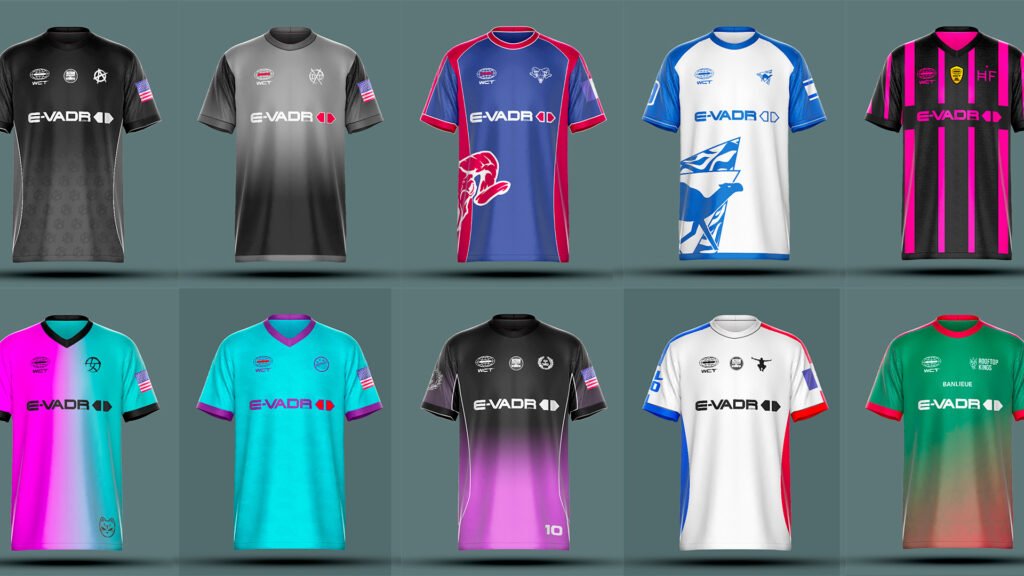
Fans want to support athletes and show affiliation. Give them a way to do it (Hollywood Freerunners just launched their merch).
This doesn’t require massive investment:
- Print-on-demand services eliminate inventory risk
- Simple designs (logo, team name, colours) may work fine
- Social media provides free promotion
- Even modest sales create real revenue
A team that sells 500 t-shirts at $10 profit has $5,000, potentially more than prize money for a World Championship placement. And that revenue is repeatable, not tied to tournament results.
Create Structure
« A group of friends who train together » isn’t an organisation. It can’t sign contracts. It can’t open bank accounts. It can’t make commitments to sponsors. It can’t outlast the involvement of any individual member.
Teams that want to be taken seriously by sponsors, by the sport or by fans need some level of formal structure:
- Clear leadership and decision-making
- Basic legal entity (even just an LLC or equivalent)
- Someone responsible for business operations
- Systems that persist beyond individual members
This is boring compared to training. But it’s necessary for sustainability.
Think Beyond Competition
The athletes who make a living from sports usually do more than compete. They teach. They create content. They build businesses. They leverage their expertise and profile into revenue streams that don’t depend on prize money.
For Chase Tag® athletes, this might mean:
- Private coaching or group classes
- Online training programs
- Movement workshops and seminars
- Content creation (YouTube, TikTok, courses)
- Gym ownership or partnership
- Equipment or apparel ventures
- Commentary, analysis, or media work
The sport itself may never pay enough to live on. But the ecosystem around the sport, the skills, the audience, the expertise, can absolutely generate income for those who build intentionally.
The Mindset Shift
Here’s the harder truth: athletes need to ask what they can do for themselves before asking what others can do for them.
It’s easy to complain that prize money is low. It’s easy to wish that WCT would pay more, that sponsors would appear, that the sport would « go professional » and solve everyone’s financial problems.
But WCT is a small organisation building something from scratch. They’re not sitting on piles of money they’re choosing not to distribute. The commercial model is developing. Prize pools will grow as revenue grows.
In the meantime, athletes have agency. They can build audiences. They can create content. They can approach sponsors. They can sell merchandise. They can develop coaching businesses. They can do the unglamorous work of building value that can be monetised.
Or they can wait for someone else to do it for them, and probably wait forever.
The athletes who figure this out first will have a significant advantage. Not just financially, but in their relationship to the sport. They’ll be partners in building Chase Tag’s future rather than passive participants hoping for better economics.
The Path Forward
Can you make a living from Chase Tag® today? No.
Could you make a living from Chase Tag® in five years? Possibly, if you build the foundation now.
The sport is growing. The audience is expanding. The broadcast footprint is increasing. The competitive level is rising. All the trajectories point upward.
And remember what you already have access to: the chance to compete on an international stage, in front of thousands of fans, broadcast to hundreds of millions of households, in a sport where the path from beginner to elite is measured in months rather than decades. That’s not nothing. That’s extraordinary.
But athletes can’t just wait for the tide to lift them. They need to build boats.
That means:
- Accept the current economics: Prize money won’t support you. Plan accordingly.
- Appreciate the opportunity: You’re getting experiences that athletes in other sports train their whole lives for and never reach.
- Build audience intentionally: Social media presence is the foundation of everything else.
- Develop a personality: Give fans, sponsors, and media something to latch onto. Have opinions. Create storylines. Be memorable.
- Create sponsorship materials: You can’t get what you don’t ask for.
- Develop revenue streams: Merchandise, coaching, content, adjacent businesses.
- Create real structure: Turn friend groups into organisations that can operate professionally.
- Build a home base: Right now, maybe one or two teams in the entire sport have a dedicated website. Where do you expect sponsors and fans to follow your journey? Where do they go to learn about your team, your story, your roster? An Instagram account alone? It’s great for quick content, but is it professional enough when you’re reaching out to sponsors asking for money? A simple website costs almost nothing and signals that you’re serious.
- Think like a team in professional sports: You’re responsible for your own sustainability, not the league.
- Think long-term: The value you build now compounds. Start early.
- Take ownership: No one will build your career for you.
The teams and athletes who do this work will be positioned very differently when the sport’s economics improve. They’ll have audiences. They’ll have sponsor relationships. They’ll have business infrastructure. They’ll have leverage. They’ll be characters that fans care about, not interchangeable competitors.
The ones who don’t will still be hoping someone else solves the problem.
The window of accessibility won’t stay open forever. Right now, you can reach the world stage in six months. You can compete in front of thousands without dedicating your childhood to training. You can experience what professional athletes experience without professional-level sacrifice.
That’s the opportunity. The question is what you’re going to do with it.
The chase for a sustainable career in Chase Tag® starts now. The only question is who’s actually running and who’s willing to be seen while they do it.
Further Reading: Building Your Brand
Want to learn more about how athletes have built personalities and brands that transcend their sports? These resources offer practical guidance and success stories:
Success Stories:
- The UFC’s Use of Storytelling and Personal Branding (Lexicon) — How the UFC built billion-dollar value through fighter narratives
- Conor McGregor: Great Fighter, Legendary Marketer (Medium) — Four strategies behind McGregor’s marketing success
- 5 Marketing Lessons From UFC Legend Conor McGregor (Entrepreneur) — Practical takeaways for building a recognisable brand
Practical Guides:
- Personal Branding for Athletes: 20 Proven Strategies (AMW) — Comprehensive guide to athlete branding fundamentals
- A Guide to Personal Branding for Athletes (Branded Agency) — Step-by-step approach to building your brand
- Athlete Personal Brand: Step-by-Step Guide (First Five Marketing) — Includes examples from Marcus Rashford, Naomi Osaka, and Megan Rapinoe
- Tips for Personal Branding & Digital Marketing for Athletes (Owayo) — Finding your unique selling point and building authenticity
What do you think it would take to make Chase Tag sustainable for athletes? We’d love to hear your perspective.